One chimney, three different answers
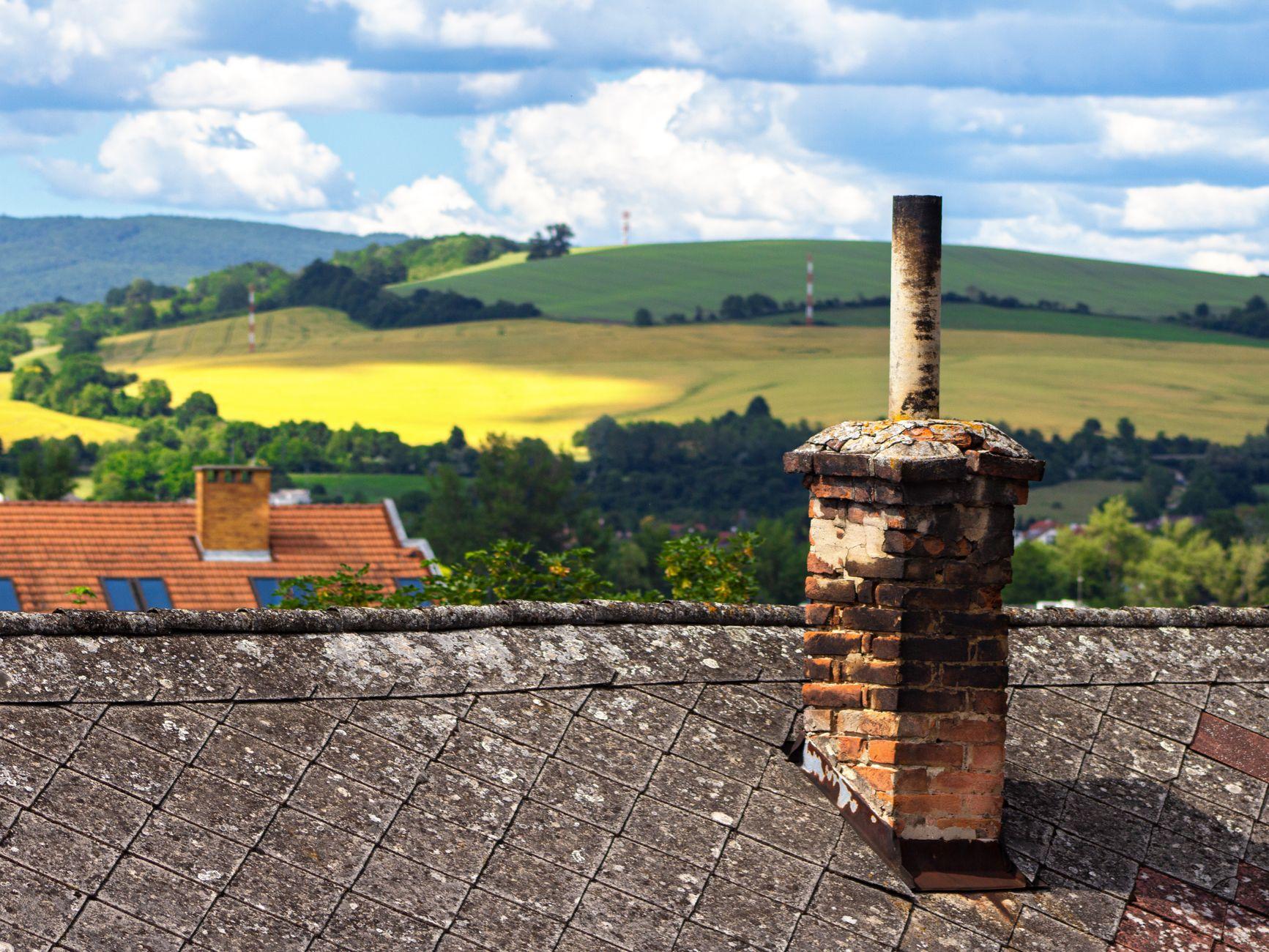
An old brick chimney in Duarte with sandy joints, a cracked crown and a slight give when someone leans on it can go three ways. It can be repointed, so the joints are sound again. It can be rebuilt, in part or in full. Or it can be braced, so it holds to the house better in a quake. Each answer fixes a different thing. Picking the wrong one spends money on a problem you do not have and leaves the real one in place.
Hanley Chimney Sweep is a masonry outfit first, so here is what each option actually does to the brick.
Repointing: when the brick is sound
What it fixes. Open, soft or missing mortar joints. Water stops getting into the wall, and the brick is locked together again.
What it leaves alone. A stack that is already moving, cracked through or leaning. New mortar in a moving chimney cracks again along the same line.
How it is priced. By the area and depth of the joints, the mortar match and the access, in writing after a look at the stack. More on that in tuckpointing cost in Duarte.
Good fit when the chimney stands plumb, the brick rings solid when tapped, and the trouble is mortar you can scratch out with a key.
Rebuilding: when the brick has let go
What it fixes. Loose, cracked or leaning brick, by taking it down and laying it again in sound mortar, with steel set into the new work where the design calls for it. A new crown and flashing come with it.
What it leaves alone. The part of the chimney below where the rebuild stops. If that part is sound, that is fine.
How it is priced. By courses removed, brick sourcing, mortar, steel, flue work and access. See what a chimney rebuild costs in Duarte and the chimney rebuilds page.
Good fit when the head of the stack moves by hand, has a crack running round all four faces, or has shed brick.
Bracing: when the brick is sound but the stack is tall
What it fixes. How the chimney behaves in a quake. Brick laid with no steel inside weighs a lot and barely bends, while the timber frame it stands against is light and gives. In a strong shake the two move out of step, and the chimney tends to snap where it leaves the roof. Bracing uses steel to keep the stack tied to the house: bands or angle around the brick, members fastened back into the roof framing, or anchors at the floor and ceiling framing where the chimney passes. The aim is to keep the chimney attached and stop a broken top from falling.
What it leaves alone. The state of the brick and mortar. A brace on a chimney with open joints holds a loose stack in place; the joints still need work.
How it is priced. By the height above the roof, the number of tie points, the roof type and how the framing can be reached. Quoted in writing. Our seismic retrofit page covers the general options.
Good fit when the masonry is in good order, the stack stands tall above the roof, and the owner wants more hold in the next quake.
The pairings that come up most
In practice, most Duarte chimneys get two of the three.
Repoint, then brace. A sound stack with worn joints. The joints come first, so the steel bears on solid brick.
Rebuild the top with steel inside. The section above the roof is loose. We take it down and build back with reinforcing in the new courses, which does from the inside what a brace does from the outside.
Repoint the lower stack, rebuild the top. Common where weather has worn the exposed part far more than the part along the house.
A fourth route some owners choose: take the chimney down below the roofline, close the roof and stop burning wood. That is quoted in writing too, with the roof patch on the same page.
How the choice gets made
The answer comes from inside the stack as much as outside. From the roof we can read joints, crown and lean. A camera run through the flue on a Level 2 inspection, $400 on our list, shows cracked tiles and open joints in the core, which tells us whether a stack that looks fine was shaken loose inside. With both views, the choice is usually plain.
Ask for that inspection through the form near the top of the page and say which of the three you were leaning toward; we come ready to price that option and the others side by side.
Comparing quotes across the three
When you hold quotes for different approaches, line them up on the same points:
- Does it say what condition the brick is in today?
- Does it name the mortar type?
- For a rebuild: how far down, and is steel included?
- For bracing: how many tie points, and into what framing?
- Is the crown included, and is it cast with an overhang?
- If more loose brick turns up, how does the price change?
A quote that skips the condition of the brick and goes straight to a brace or a coating is selling a product, not a repair.
A word on timing
Mortar cures slowly and dislikes both full summer sun and a cold downpour on its first day. In Duarte, spring and fall are the easy seasons for brick work, and at any time of year we plan curing around the forecast, covering fresh joints when we need to. Bracing is less fussy and can go in whenever the roof is dry.
Talk it through with a mason
For a mason's read on which route suits your chimney in Duarte, Arcadia, Baldwin Park, West Covina or La Verne, start a request on our contact page.
Seeing This on Your Own Chimney?
An article can point at the joint. A Hanley mason can scratch it, name the mortar and write up the repair. We work out of Duarte through Arcadia, Baldwin Park, West Covina and La Verne.