A rebuild is priced by the course
When a mason in Duarte talks about rebuilding a chimney, the first question is how many courses come off. A course is one row of brick. Everything in a rebuild quote follows from that count: how much brick goes in the bin, how much salvaged or new brick has to be found, how long the scaffold stays and how much mortar gets mixed. Hanley Chimney Sweep does not publish one rebuild price, because no two stacks come down the same distance. We measure, open a test area where needed, and write the figure down before work starts.
Three sizes of rebuild
Most rebuild work we quote around Duarte and Arcadia falls into one of three sizes.
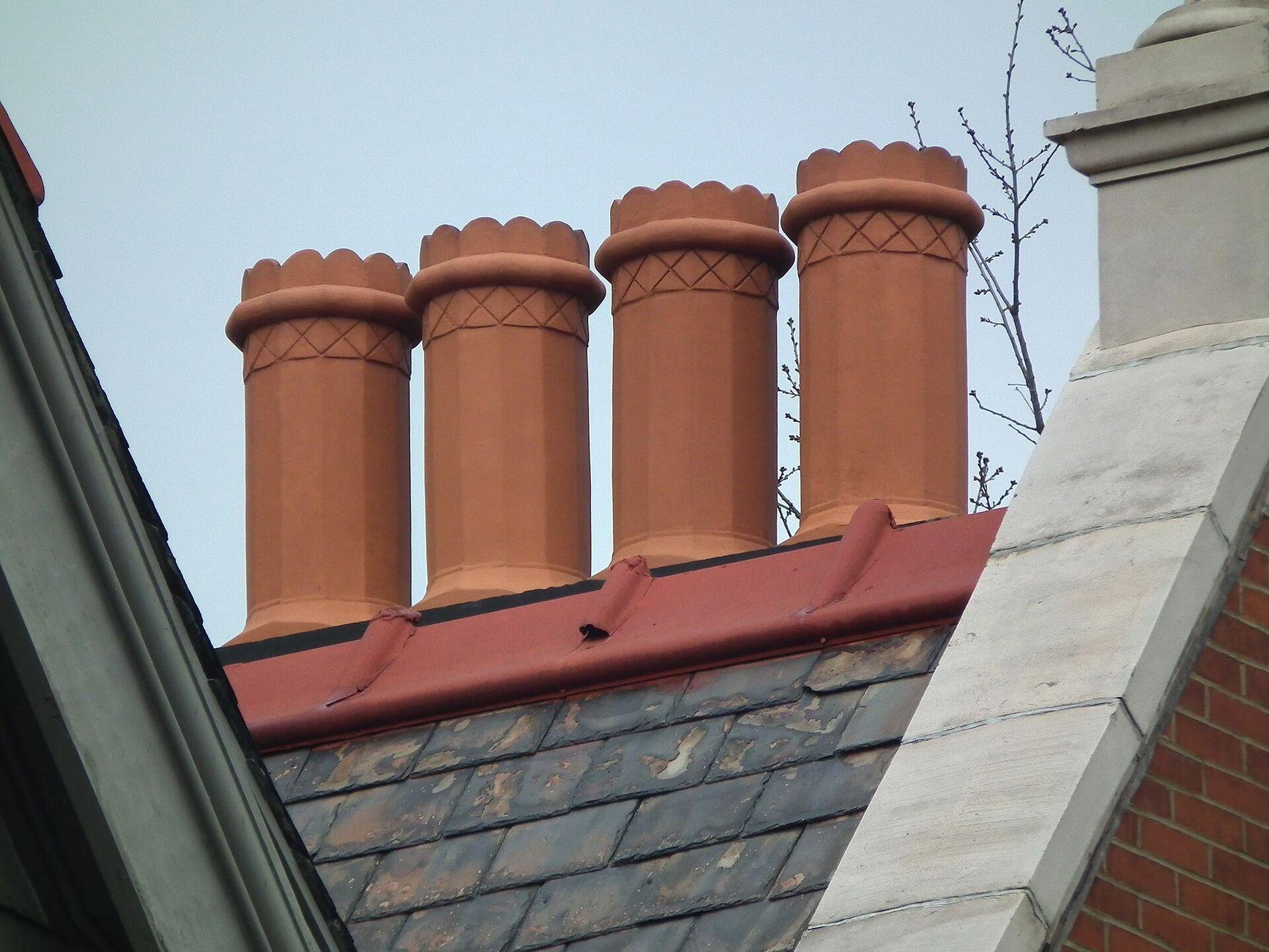
The top few courses. The crown failed, water got into the head of the stack, and the brick under it went loose. We lift off the loose rows, relay them in matched mortar and cast a new crown. This is the smallest rebuild and the one we price most often.
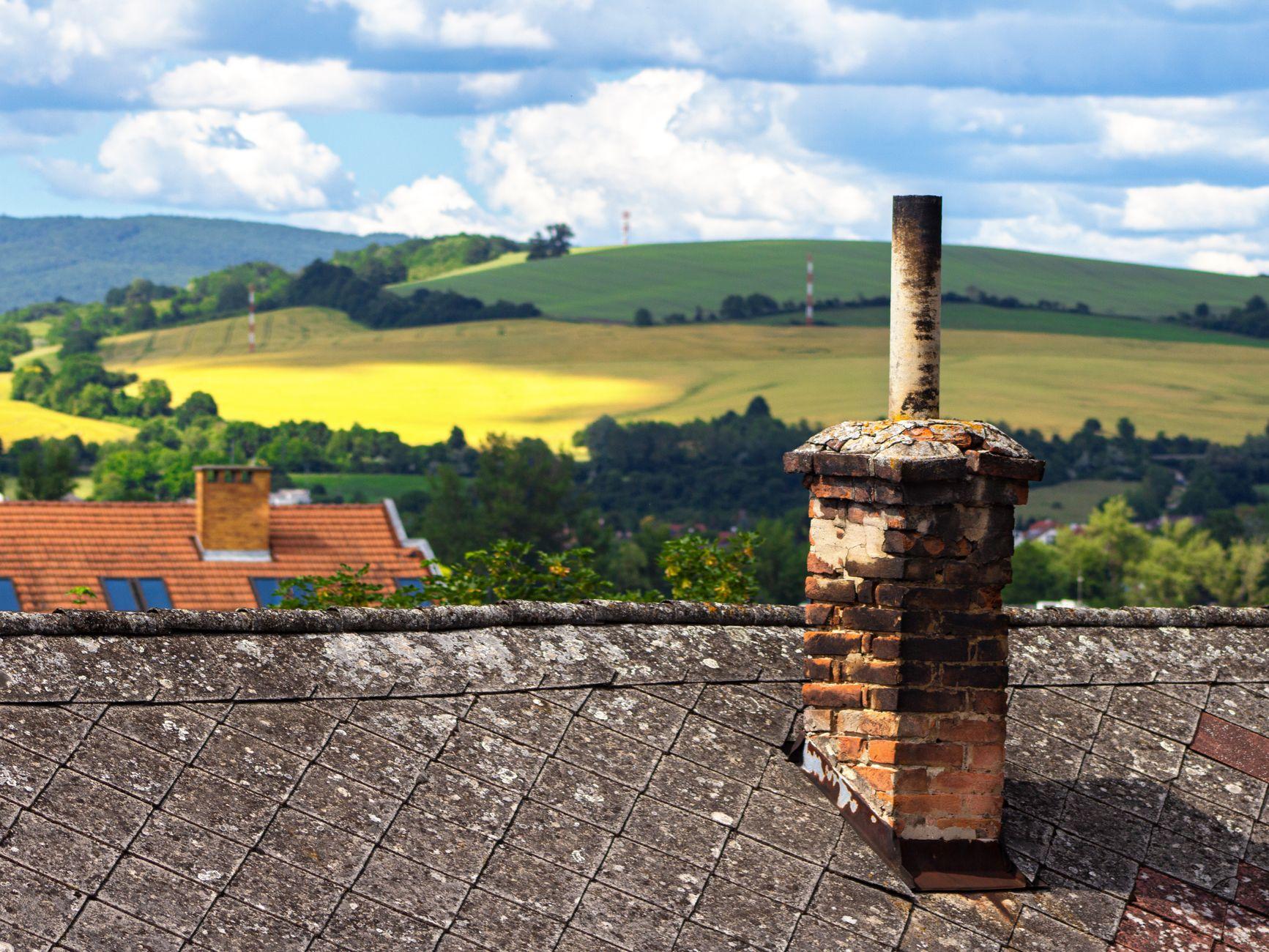
Everything above the roof. The exposed part of a chimney catches the wind, the rain and the full swing of a quake with nothing beside it to lean on. When that section is cracked through, leaning, or open at the joints on every face, we take it down until the brick is tight again where it meets the roof, then build back up. New flashing goes in at the same time, since the old metal comes out with the brick.
Down to the base. When cracking runs down the outside wall, or the stack has drawn away from the house along its height, the work goes much lower. Sometimes it ends at the smoke chamber, sometimes at grade. This is the largest job and the one where the price varies most.
What moves the figure
- Courses removed. The single biggest number on the quote.
- Brick sourcing. Matching an old common brick may mean a salvage yard, or reusing the sound brick from your own chimney. New face brick is easy to buy but may not sit well beside the rest of the house.
- Mortar. Old soft brick wants a softer, lime rich mortar; newer brick takes a standard Type N or Type S. The wrong pick shows up later as flaking brick faces.
- Steel. A rebuilt section can take reinforcing bar set into grouted cores, ties back to the framing, or both, as the design calls for. That adds material and hours.
- The flue. If clay tiles are broken in the section coming down, they are replaced in tile, or a stainless liner goes in. See chimney liner installation.
- Access. Roof pitch, roofing material, height off the ground and how close the side fence stands all count.
- Permits. Rebuild work on a structural chimney may need a city permit. Where it does, the permit and its inspection visits get their own line.
Why we may open the chimney before the final figure
Brick can look sound outside and be loose in the core. A stack that took a hard shake in 1987, 1991 or 1994 may have let go at the inside joints while the face stayed put. When we suspect that, the quote gives a first figure for an agreed number of courses and a per course figure for any further loose rows, and work pauses for your sign off before going lower. Nobody gets a surprise invoice.
A camera run through the flue on a Level 2 inspection, $400 on our list, often tells us before the scaffold goes up how far the damage reaches inside.
Asking for a rebuild figure
The quote begins with a look at the stack from the roof and, where needed, the camera. Book that first look using the form above and mention whether the chimney leans, shows a crack you can see from the street, or has dropped brick into the yard; we plan the visit around that.
Rebuild or brace?
Some owners ask whether a steel brace would do in place of a rebuild. On a sound stack, bracing can make sense. On a cracked or loose one, a brace ties a broken chimney to the roof and mends nothing. We set the two side by side in repoint, rebuild or brace and on our seismic retrofit page.
There is also the choice of taking the chimney down for good below the roofline and closing the roof over it, where the fireplace is no longer wanted. We quote that too, roof patch included, when an owner prefers it.
What a written rebuild scope should state
Before you sign any rebuild scope, ours or another mason's, check that it names:
- the number of courses or the height coming down, measured from a stated point
- the brick: salvaged, reused or new, with its color and size
- the mortar type
- any steel, and how it ties to the house
- the crown: cast in place, its thickness and its overhang
- flashing and roof repair around the stack
- the flue: tile or liner
- who handles the permit
- the per course figure for any extra depth
A scope that leaves out the mortar or the steel leaves room for the cheapest version of each.
How long the fireplace is out of use
From the day the first course comes off until the new crown has cured and the flue is checked, the fireplace stays cold. We put that window in the scope, set by the size of the rebuild and the weather, so you can plan around it. Fresh mortar is kept damp and shaded while it cures, which in a Duarte summer means covering the work in the afternoon.
Where we rebuild
Hanley Chimney Sweep builds chimneys back in Duarte, Arcadia, Baldwin Park, West Covina and La Verne. To have a mason count the courses on your stack and price them, reach us through the contact page.
Seeing This on Your Own Chimney?
An article can point at the joint. A Hanley mason can scratch it, name the mortar and write up the repair. We work out of Duarte through Arcadia, Baldwin Park, West Covina and La Verne.